Zone 3: How to Make It Work for You
So, you already know the debate around Zone 3. Is it “junk miles” or a secret weapon? You have probably felt that weird intensity yourself. It is too hard for a recovery day, but it does not feel like an all out interval session either.
The truth is, Zone 3 gets a bad reputation for one simple reason: people end up there by accident. I have seen it countless times. When you drift into Zone 3 unintentionally, you get all the fatigue with none of the targeted benefits. But when you train there on purpose, with a clear goal, it can completely change your performance. The difference is your intention.
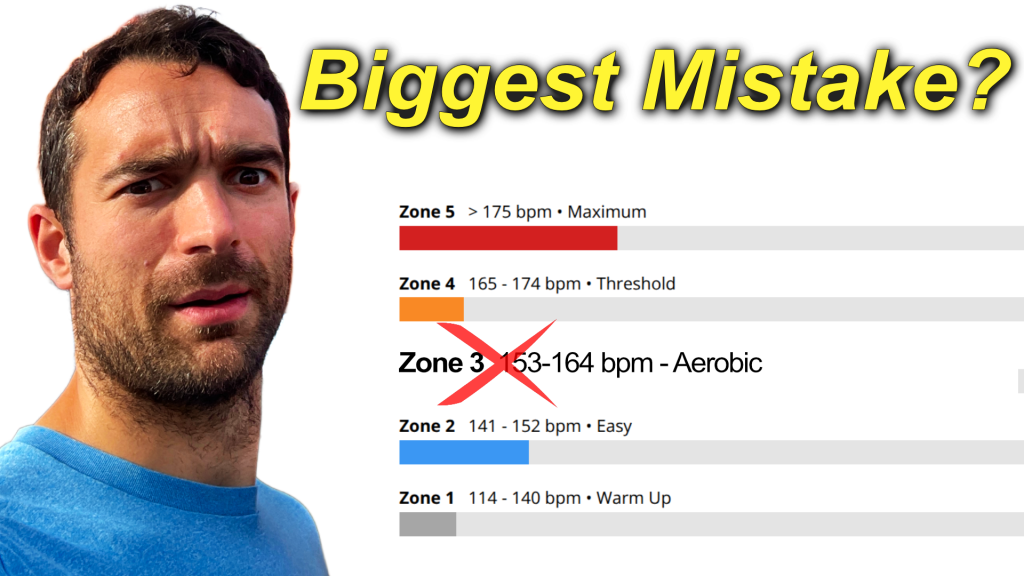
The Biggest Mistake You Are Probably Making
Let’s be honest, the most common error is letting your easy days get too hard. You head out for a Zone 2 session, you feel good, and you start pushing the pace just a little. Before you know it, you have crept into Zone 3.
This undermines the whole point of an easy day. Instead of building your aerobic base and fat burning ability, you start burning through sugar and creating stress that hurts your recovery. You show up to your next hard workout already tired. If there is one thing you take away from this, it is this: stop drifting into Zone 3. Save that energy for when you are going to use it properly.
Three Reasons to Do Zone 3 Workouts (On Purpose)
When you schedule a workout specifically for Zone 3, you get some unique benefits that you cannot find at other intensities.
- You Become a Lactate Clearing Machine: You know that feeling when your muscles start to burn at high efforts? Zone 3 is the sweet spot for teaching your body to clear the lactate that causes it. Better clearance means you can hold a harder pace for longer before you have to slow down.
- You Train Your “Race Pace” Fibers: Zone 3 is perfect for developing your Type IIa muscle fibers. These are your sustainable speed fibers. They are more powerful than your slow twitch fibers but more fatigue resistant than your sprinters. Training them is key for performance in events from half marathons to triathlons.
- You Get a Bigger Fuel Tank: These workouts use a lot of stored carbohydrates, or glycogen. When you finish a tough Zone 3 session, your body adapts by not just refilling the tank, but by adding a little extra storage space. Over time, that gives you more fuel to burn on race day.
My Playbook: How You Can Use Zone 3
So, how do you use it in your training? Here are the main ways I program Zone 3 work for my athletes.
- Practice Your Race Pace: If your goal race pace for a marathon or 70.3 is in Zone 3, you need to practice it. Doing long intervals at your goal pace builds confidence and makes the effort feel familiar on race day.
- Build Mental Toughness: Zone 3 teaches you how to be comfortable with being uncomfortable. It is a sustained, grinding effort that requires focus. Getting good at this “grind” in training is what gets you through the tough moments in a race.
- Bridge to Harder Workouts: After you have built a solid aerobic base, Zone 3 is the perfect way to introduce intensity. It prepares your body for the stress of Zone 4 and 5 work without the same risk of injury or burnout.

When to Use It (And When to Back Off)
The key is timing. You should not be doing Zone 3 work all year round. The focus should change with your training season. Here is a simple guide to help you plan:
On an Easy or Recovery Day: Strictly avoid it. This is the most important rule. Letting your easy day intensity creep up into Zone 3 kills your recovery and hurts your next hard workout.
During Your Base Phase: Minimize or avoid Zone 3. Your goal here is to build a big aerobic engine, and that happens in Zones 1 and 2.
In the Early Build Phase: Introduce Zone 3 gradually. Think of it as a safe bridge to prepare your body for the higher intensity workouts that are coming later.
In the Late Build or Peak Phase: This is when you emphasize Zone 3. Use these workouts to dial in your race pace and build that mental grit you will need on race day.
After an Injury or Time Off: Avoid it at first. Your priority is to safely re-establish your base in Zones 1 and 2 before adding this kind of stress.
If You Are Short on Time: Use Zone 3 purposefully. It is a great way to get a big training effect in a short amount of time, but it does not replace the need for an aerobic base.
Your Next Step
Stop thinking of Zone 3 as a mistake. Instead, see it as a specific tool in your toolbox. The next time you see a Zone 3 workout on your plan, go into it with a purpose. Know why you are there and what you are trying to accomplish. Do that, and you will turn those “junk miles” into your biggest source of improvement.
If you would like help plotting zone 3 into your training, why not get in touch and see how we at Efficient Endurance can help.