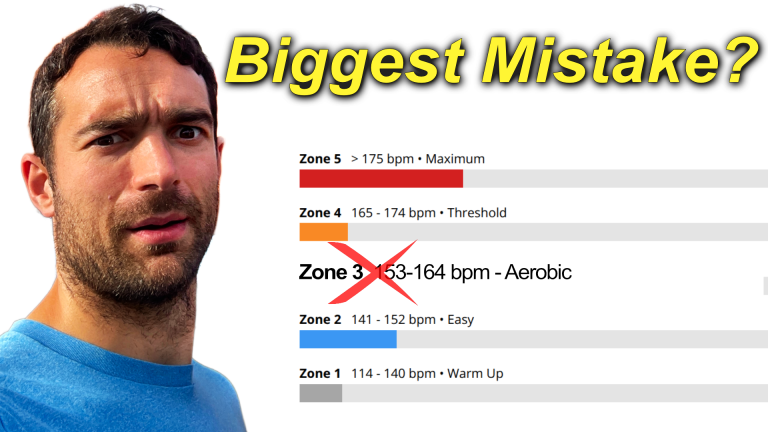
Zone 1 is the bit people usually ignore. They think if they aren’t huffing and puffing, it isn’t working. Why pootle around in Zone 1 when you could be working in Zone 2?
Actually, Zone 1 has some massive benefits that you would be silly to miss. I started adding it to my own training properly a few years ago and the results were immediate. I went from strength to strength, hitting PBs from 5K to the half marathon and qualifying for the World Championships in both sprint and standard distance triathlons.
If you want to stop spinning your wheels and start seeing real progress, here is why Zone 1 needs a spot in your schedule.
What Exactly Is Zone 1?
When I talk about Zone 1, I am referring to the very bottom of the five zone training pyramid. If you use a Garmin, it is that grey “warm up” section. On TrainingPeaks, it is usually labelled as “easy.”
Physiologically, Zone 1 is a very low intensity effort. Your blood lactate levels will stay pretty much the same as when you are sitting on the sofa because your body is burning roughly 99 percent fat stores to fuel the movement.
The easiest way to tell if you are in it? You can have a full, rambling conversation without gasping for air. Personally, I love a Zone 1 ride out to a cafe with mates. It is great for the head, but as it turns out, it is also great for the legs.
Why Should You Bother?
The most common reason to use Zone 1 is to help you bounce back from hard sessions. Moving at this low intensity increases blood flow to your muscles. This helps move out the metabolic byproducts that make you feel sore. Because the effort is so low, you aren’t adding any new “junk” to the pile.
This extra circulation also delivers fresh nutrients to your muscles, helping them repair and top up glycogen stores faster. Here are a few other reasons why it works:
- Fat Efficiency: Because you are primarily burning fat for fuel, you teach your body to become better at fat oxidisation. This actually makes you more efficient when you step up into Zone 2, helping you save your precious carb stores for when you really need them.
- Lower Injury Risk: Running slow is lower impact. It gives your joints and tendons a break while still getting the work in.
- Mental Health: Being able to talk easily means you can turn training time into social time. If you prefer your own company, it is the perfect intensity to actually listen to a podcast without losing focus because you’re gasping for breath.
Where It Fits Into a Plan
In the training plans I build, Zone 1 is a non-negotiable feature during recovery weeks and the days immediately following really big sessions. It is the secret to absorbing the work you just did without burning out. It keeps you fresh for the big sessions and keeps you out of the physio’s office.
Zone 1 is primarily about managing fatigue. This means the more total training you do, the more Zone 1 you probably need. Some elite athletes do 30 percent to 40 percent of their volume at this level. They train so much that they need that active recovery to survive the week.
Even if you only train a few hours a week, you should still use it every single day. Every warm up and cool down should be Zone 1. You need to give your heart and lungs time to catch up with your muscles at the start of a session to reduce injury risk. Likewise, your active recovery between intervals should be in Zone 1. If you push too hard during your “rest” periods, you are just adding more fatigue instead of clearing it out.
When To Dial It Up (Or Down)
There are two main times I tell my athletes to do more Zone 1, even if they really want to go faster:
- Coming back from injury or illness: You need to gradually invite the stress of training back in. Zone 1 protects your musculoskeletal system after an injury and protects your heart after a bug.
- Starting fresh: When I got back into running last March after a year off, I spent three months doing almost exclusively Zone 1 and 2. It allowed my body to adapt without breaking. By the third month, I actually hit a 10K PB just off that base.
When should you do less? Only in very specific spots. If you have been consistent for a long time but have a very busy week with limited hours, you might swap a Zone 1 session for Zone 2 to get a bit more bang for your buck. But that should be a one-off, not a habit.